Aug 25, 2026Buying Guides
How to Use an LED Face Mask Correctly
Learn how to use an LED face mask correctly, including treatment time, distance, light modes, skin preparation and common mistakes. A practical guide for beauty brands and users.
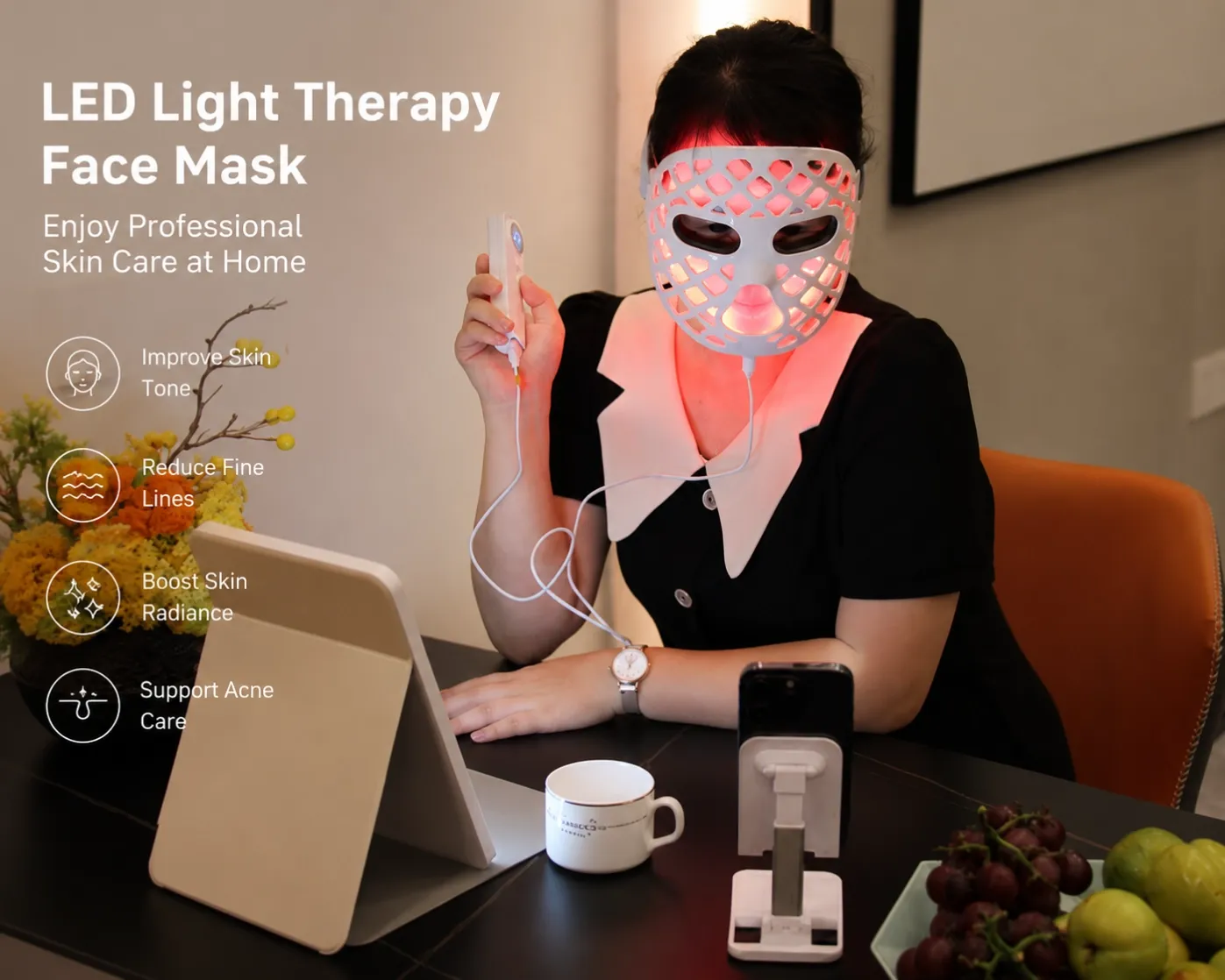
How to Use an LED Face Mask Correctly: A Guide for Beauty Brands and Their Customers
LED face masks are becoming increasingly popular in at-home skincare. But even a well-designed LED mask may not deliver the intended user experience if it is worn incorrectly, used inconsistently, or operated with the wrong settings.
For beauty brands selling LED light therapy devices, this is more than a user-instruction issue.
Correct usage can directly affect customer satisfaction, product reviews, repeat usage and how consumers perceive the performance of the device.
So, how should customers use an LED face mask correctly?
1. Start With Clean, Dry Skin
Before using an LED face mask, users should generally begin with clean skin according to the instructions supplied with the device.
Removing makeup, sunscreen and surface residue helps prepare the skin for the treatment session and prevents unnecessary contamination of the mask.
For brands, the recommended preparation steps should always be clearly stated in the user manual.
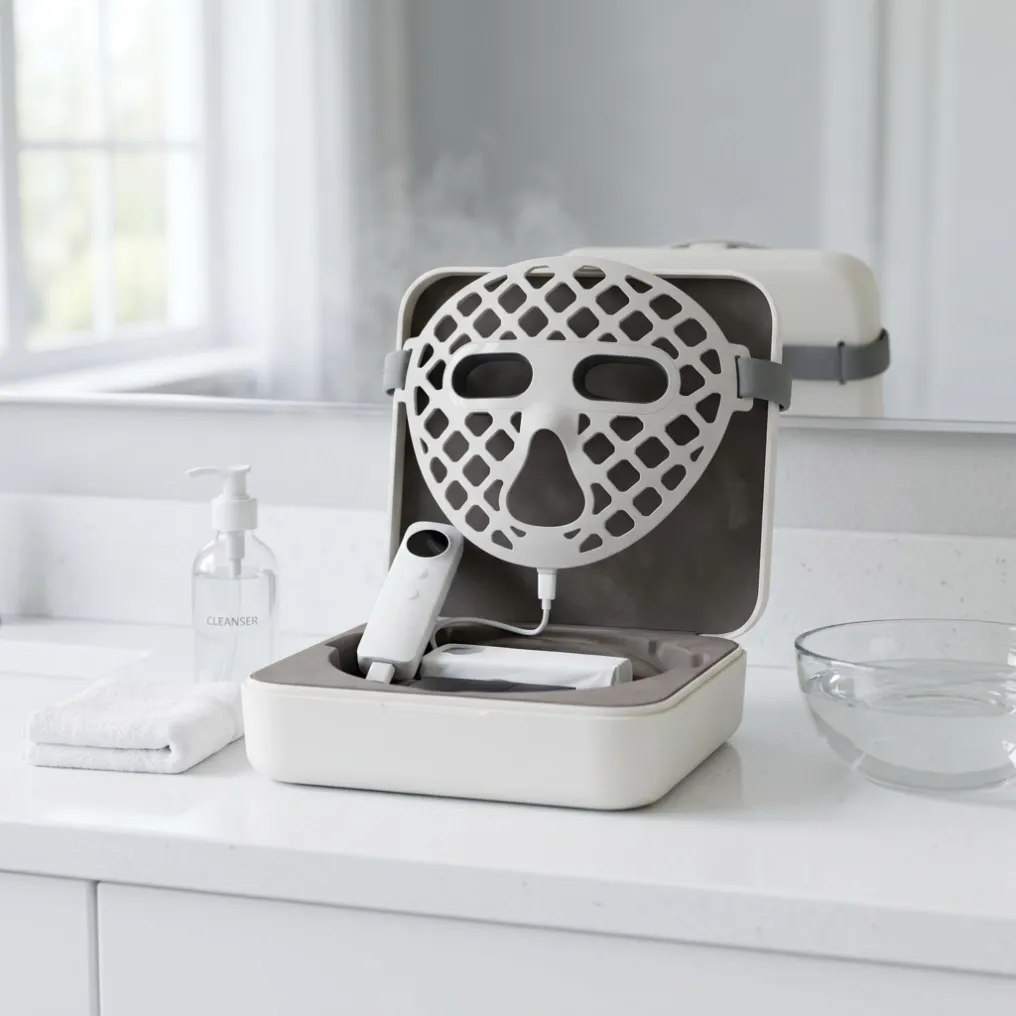
2. Make Sure the Mask Is Positioned Correctly
One frequently overlooked factor is the distance between the LEDs and the skin.
LED output specifications alone do not tell the whole story. The structure of the mask determines how that light is distributed across the treatment area.
A well-designed 3D structure can help maintain a more consistent LED-to-skin distance while reducing unnecessary pressure against the face.
Why does distance matter?
LED Output → Treatment Distance → Skin Surface
If the distance varies significantly across the face, light distribution may also become less uniform.
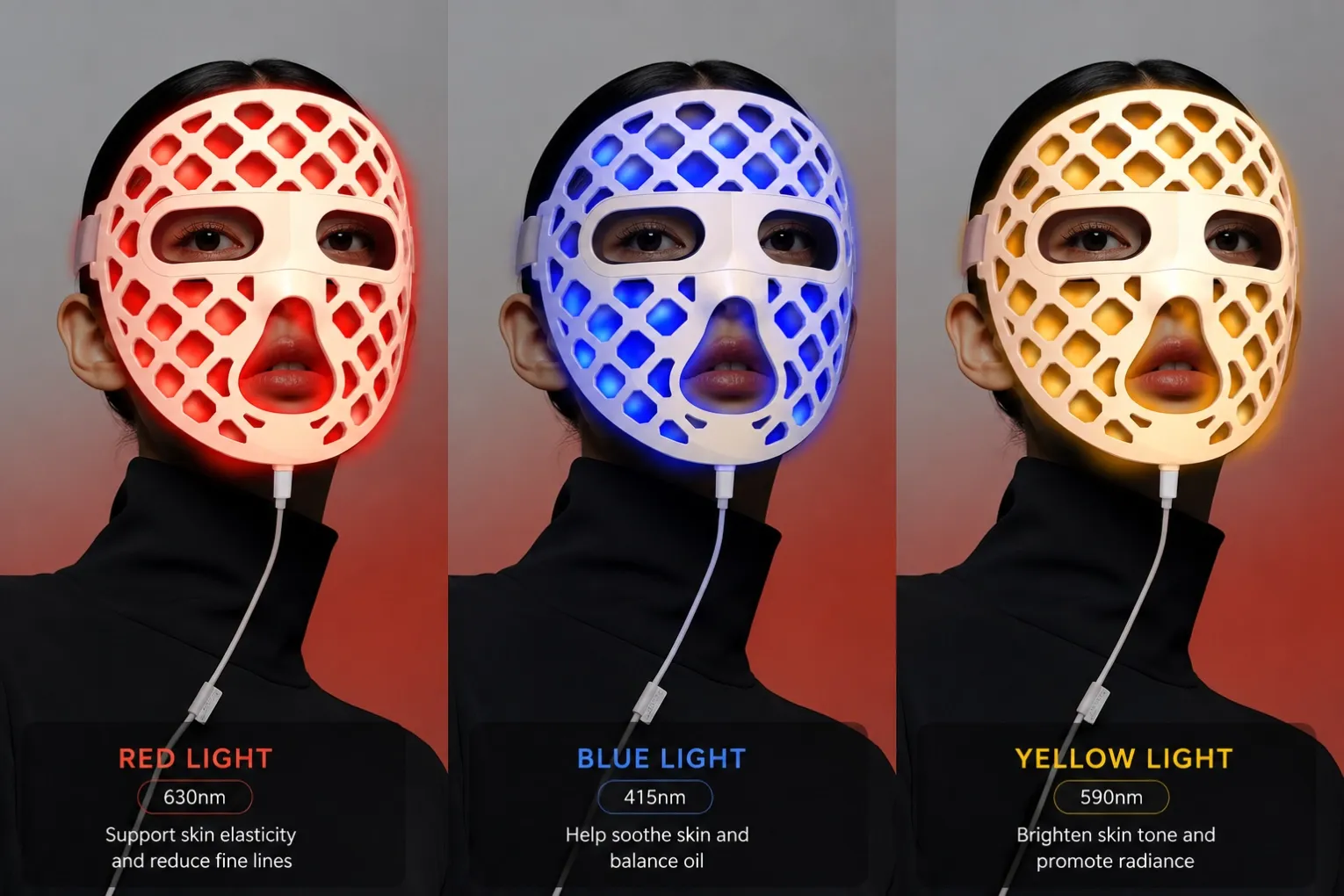
3. Choose the Appropriate LED Wavelength
Different LED face masks may provide different wavelengths or combinations of wavelengths.
For example, depending on the device design, an LED mask may include:
Red Light
Near-Infrared Light
Blue Light
Yellow Light
Users should select only the modes provided for their specific device and follow the manufacturer's intended-use instructions rather than assuming that “more colors” automatically means a better treatment.
More wavelengths don't automatically mean a better LED mask.
For beauty brands evaluating an OEM LED face mask, wavelength selection should be based on the intended product positioning, optical design and target user experience—not simply the number of colors listed on the packaging.
4. Follow the Recommended Treatment Time
A common mistake is assuming:
Longer treatment = better results.
That isn't necessarily the case.
LED treatment depends on multiple parameters, including:
Wavelength × Irradiance × Treatment Time = Delivered Light Dose
Users should therefore follow the treatment duration specified for their particular LED mask.
If a device provides preset timers such as:
10 min | 20 min | 30 min
the manual should clearly explain when and how each setting should be used.
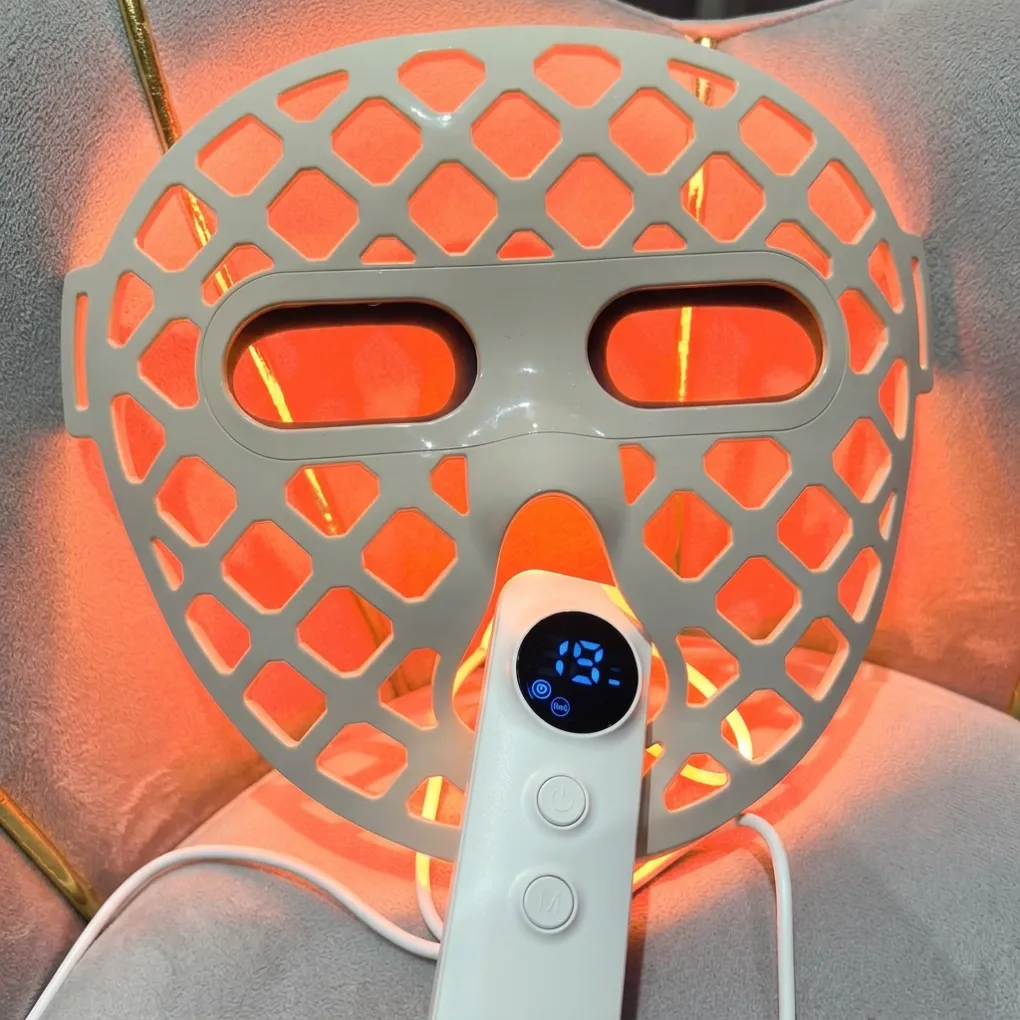
5. Don't Assume Maximum Intensity Is Always Better
Some LED face masks provide multiple intensity levels.
The highest level is not automatically the most appropriate choice for every user.
A better approach is to follow the manufacturer's instructions and select an appropriate setting based on the product design and individual comfort.
This is particularly important for home-use beauty devices, where comfort influences consistency.
And consistency matters because a device that feels uncomfortable may simply end up sitting unused in a drawer.
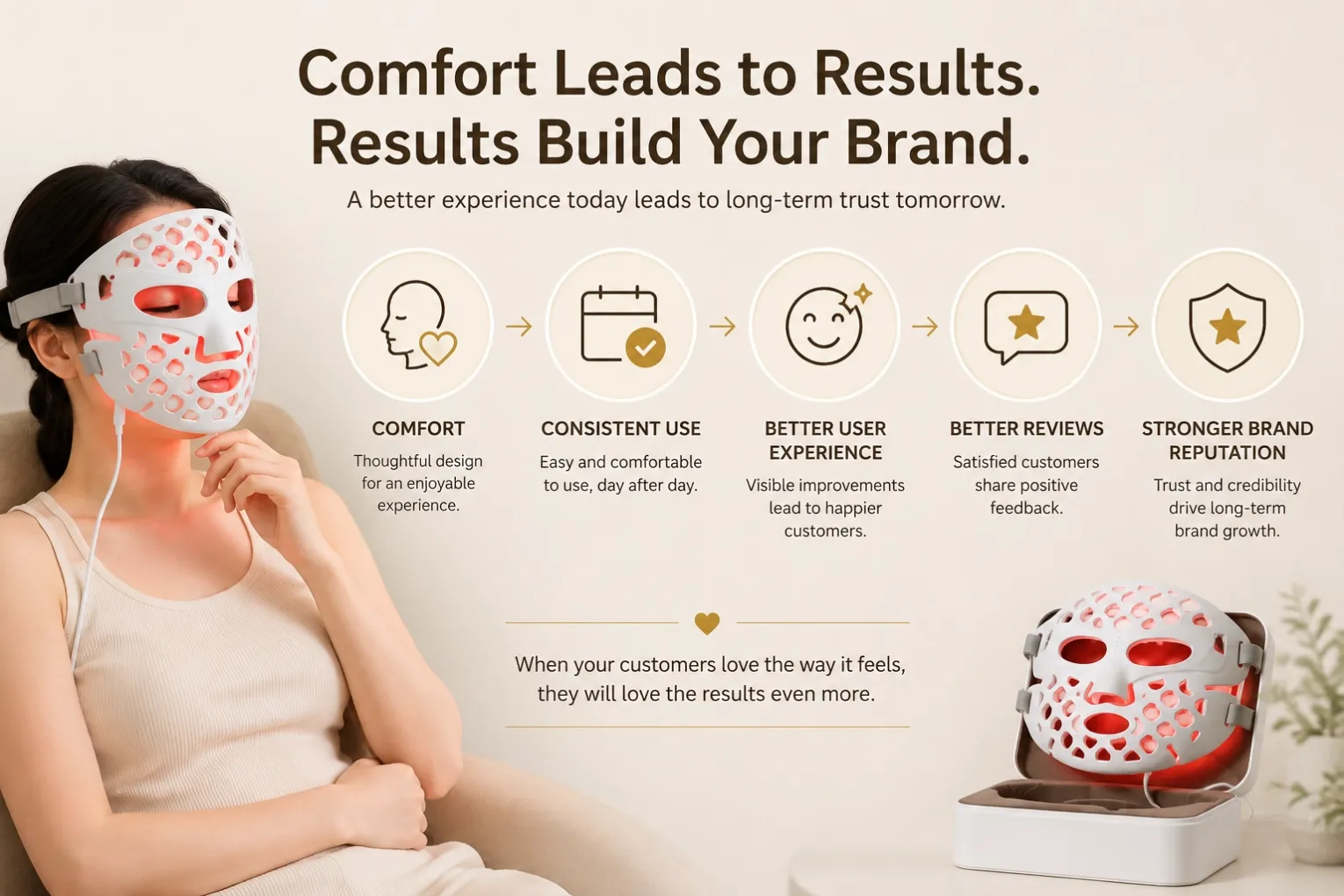
6. Comfort Is Part of Product Performance
When brands compare LED face masks, specifications often receive most of the attention:
How many LEDs?
How many wavelengths?
How high is the irradiance?
But consumers experience something else first:
How does the mask actually feel on my face?
Weight, pressure points, eye-area design, breathability, fit and flexibility all influence whether someone is willing to complete a full treatment session—and continue using the device over time.
A technically impressive mask that customers dislike wearing can still create a poor user experience.
For product developers, therefore:
Comfort → Consistent Use → Better User Experience → Better Reviews → Stronger Brand Reputation
7. Clean and Store the LED Mask Correctly
LED masks are reusable skincare devices, so cleaning and storage should be part of the user routine.
Users should follow the cleaning method specified by the manufacturer and avoid using cleaning methods that are incompatible with the device material or electronics.
For brands sourcing an LED face mask, it is also worth evaluating:
- Surface material
- Cleaning convenience
- Sweat and moisture resistance
- Controller and charging-port design
- Storage and packaging
If the mask is designed with a specific waterproof rating, that information should be clearly communicated in the product documentation.
8. Common LED Face Mask Mistakes to Avoid
Using the mask for longer than instructed
More treatment time does not automatically mean better treatment.
Using the highest intensity immediately
Users should follow the manufacturer's recommended settings.
Wearing the mask incorrectly
Incorrect positioning may change LED-to-skin distance and treatment coverage.
Ignoring comfort
Excessive pressure, poor fit or an uncomfortable eye area can discourage regular use.
Choosing a mask only by LED count
LED quantity is only one parameter. Wavelength, irradiance, optical distribution, distance and treatment time should be considered together.
Not following the specific product manual
Different LED masks have different optical and electrical specifications. Instructions for one model should not automatically be applied to another.
What Should Beauty Brands Look for When Sourcing an LED Face Mask?
For beauty brands, distributors and private-label buyers, correct consumer usage begins during product development.
When evaluating an OEM LED face mask manufacturer, consider more than appearance and LED count.
Key questions include:
1. What wavelengths are used?
Ask for the actual wavelength specifications and tolerances.
2. What is the irradiance?
Understand where and how the measurement was taken.
3. What is the LED-to-skin distance?
Mask geometry can influence light distribution.
4. How uniform is the light coverage?
Evaluate the complete treatment area rather than a single measurement point.
5. Is the mask comfortable enough for regular use?
Evaluate weight, fit, eye protection, flexibility and breathability.
6. What testing is performed before shipment?
Ask about LED inspection, irradiance testing, aging tests and functional QC.
7. Can the product be customized?
For private-label projects, evaluate wavelength configuration, logo, color, controller, packaging and documentation options.
LED Face Mask FAQ
How long should you use an LED face mask?
Treatment time depends on the specifications and intended use of the individual device. Users should follow the treatment duration provided by the manufacturer rather than assuming that longer sessions provide better results.
How close should an LED face mask be to the skin?
The optimal LED-to-skin distance depends on the optical and structural design of the mask. Manufacturers should evaluate distance together with irradiance and light distribution rather than treating it as an isolated specification.
Is more LED power always better?
No. LED performance should be evaluated using wavelength, irradiance, treatment distance, treatment area, treatment time and overall light distribution rather than power alone.
Are more LED colors better in a face mask?
Not necessarily. Each wavelength should have a clear purpose within the product design. Adding more colors does not automatically improve the overall user experience or product performance.
What should brands ask an LED face mask manufacturer?
Brands should ask about wavelengths, irradiance, LED configuration, treatment distance, materials, safety testing, quality control, certifications, customization capabilities and production consistency.
Can LED face masks be private labeled?
Yes. Depending on the manufacturer and project requirements, OEM/ODM customization may include logo, color, packaging, controller design, wavelength configuration and other product specifications.
Developing an LED Face Mask for Your Brand?
A successful LED mask is not defined by LED count alone.
Optical performance, treatment distance, comfort, materials, control design and manufacturing consistency all contribute to the final user experience.
Beautants supports beauty brands with OEM & ODM LED face mask development, from product selection and customization to prototyping, testing, mass production and quality inspection.
Planning a private-label or custom LED face mask project?